Empowering IT teams

Why software teams deliver behind schedule & above budget

We have selected reasons and solutions from working with enterprise leaders in DACH. We discuss why these rarely get brought up by the teams, what indicators to look for and, what objections to expect.

OUR APPROACH GET IN TOUCH


TALENT BOTTLENECKS

Brick-and-mortar companies face talent bottlenecks as they struggle to attract and retain DevOps engineers.

High hiring costs, turnover, and lengthy onboarding due to complex systems limit ROI. Engineers seek modern technologies, but legacy systems create barriers.

INDICATORS

Talent Bottlenecks are one of the easier problems to identify, usually characterized by these problems

  • icon Engineering positions remain unfilled for >6 months
  • icon Motivated & skilled employees wear out in < 3 years
  • icon Hires lack specific skills and autonomy
DEVOPS ADOPTION

0%

of software teams had adopted a DevOps approach in 2021

GROWING DEMAND

0%

of developers want to acquire DevOps skills

HIRING SIGNAL

0%

of IT recruiters are actively looking to hire DevOps talent

POTENTIAL OBJECTIONS

Companies are dynamic environments with many different interests in the mix.

FEAR OF JOB LOSS

Existing bottleneck contributors might object for fear of losing their high leverage positions.

FLAWED INCENTIVES

Highly skilled individuals may prefer (unrealistic) skill-up programs across the company over simplification by tools because they lose their mentoring appeal.

Peter Bissinger
q

Codesphere simplifies shipping software from writing and building code, to deploying and hosting.

Peter Bissinger

Head of Department for Product Design and Partner Management @ Hausbank München eG

via Product Hunt

INEFFICIENT WORKFLOWS

Non-agile, inconsistent deployment workflows slow development as engineers wait for DevOps support.

Lack of standardization leads to fragmented processes, and slow iteration cycles prevent delivered software from meeting business objectives.

INDICATORS

Inefficient workflows occur in many different places and can be identified by the following indicators

  • Agile development process with release cycles of >3 weeks >6 months
  • Software teams constantly delivering behind schedule or above budget
  • Developers pointing towards operations for delays and vice versa
  • Broken feedback cycles: Software does not satisfy requirements (and the team worked on it for more than 2 weeks)
image
THERE IS ANOTHER WAY

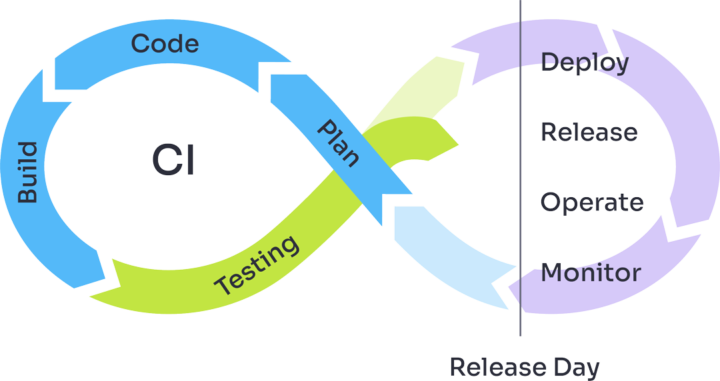
This are the result of an inflated reliance on DevOps

What if there was another way that relied on 3 core principles?

Standardized workflows

Instead of having a fragmented landscape of workflow that don’t fit together, workflows can be standardized and streamlined.

Developer self service

Oftentimes, developers have to rely on operations for supportive activities. With a self-service approach, this dependence is eliminated.

End over-the-wall mentality

Ending ops & dev only focussing on their specific tasks without understanding the other fosters collaboration and faster processes.

Best practices already implemented

Existing workflows already constitute „best practices“ → not true if any of the indicators apply

Strict quality control

Requirements for quality control do not allow more agile feedback cycles→ often more of a cover your back argumentl

Reluctance to change

Individual preferences unaligned with organization

Enterprise architects and engineers often resist major changes due to attachment bias, sunk learning investments, and perceived stability risks. Resistance to limiting customizability and prioritization of technologies that boost individual career prospects create misaligned incentives, hindering organizational progress.

INDICATORS

Typically these misaligned preferences can be spotted by these responses

  • Suggested changes are met with scepticism per default
  • Simplification is not welcomed but objected as „introducing limitations“
Let's paint a picture

These issues are the result of an inflated reliance on DevOps.

Simplification to increase developer experience

Simplification enhances developer experience, but internal opposition remains strong. A guided proof-of-value workshop can help demonstrate the benefits and loosen resistance to change.

Streamlined workflows

Misconceptions around opinionated best practices create resistance, despite their ability to streamline workflows and enable greater experimentation without imposing real limitations.

POTENTIAL OBJECTIONS

Companies are dynamic environments with many different interests in the mix

LOSS OF LEVERAGE

Existing DevOps cornerstone contributors might object because they loose leverage -> reaffirm them that they will be needed in a coaching capacity

SALARY INCREASES

Work experience with complex technologies (i.e. Kubernetes) rewards future salary premium → individually rational but not for the whole organization

Bernd Vermaaten
q

The platform’s ease of use, collaboration tools, productivity features, and flexibility have impressed me, and I am personally convinced that companies looking to improve their development process should try it. I’m looking forward to everything we try and build with Codesphere and the team.

Bernd Vermaaten

CEO @ solute GmbH, Advisor @ Onino

via Product Hunt